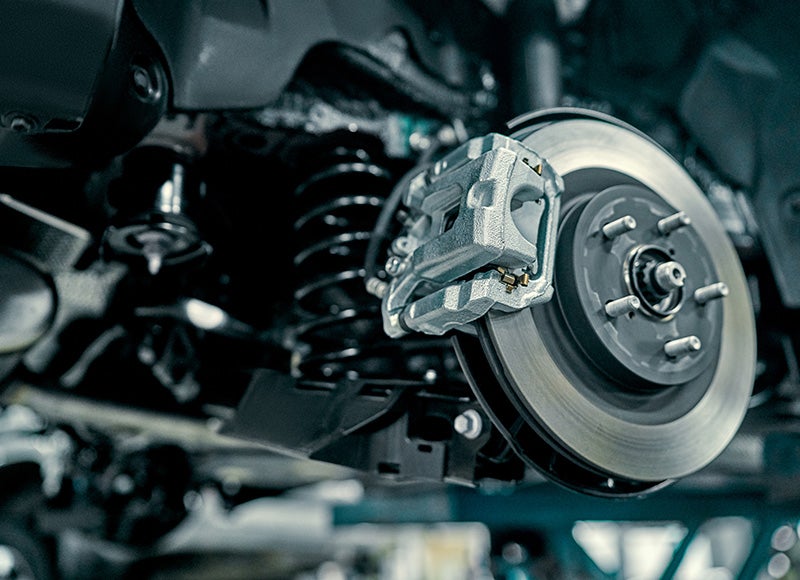



If your Chevy has been making strange noises or you’re sliding to a stop a little longer than you’re happy with, your brakes may be sending you a message. And ignoring signals like these can turn a straightforward brake pad replacement into a much bigger repair or safety concern. Drivers in Okeechobee, Florida, can count on Gilbert Chevrolet for professional Chevrolet brake service at the right time but first you should know what to look for. Squeaking & Squealing Brakes One of the earliest and most common warning signs is a high-pitched squeal when you press the brake pedal. Most brake pads are built with a small metal wear indicator that intentionally makes this sound when the friction material gets low. That squeaking noise is your Chevy's way of telling you it's time for a brake inspection. The sound may come and go at first, especially after the vehicle has been sitting overnight. Don’t wait for it to become constant; by then, the pads are likely worn very thin. Grinding Noises and What They Mean Well, maybe you waited a little too long. If squealing has progressed to a harsh grinding sound, the brake pads may be completely worn through. That grinding noise means metal-on-metal contact between the caliper and rotor is happening, and it can damage the rotor surface quickly. Rotor damage means a more involved repair than a simple brake pad replacement, so catching the problem at the squeaking stage saves time and effort. Grinding can also indicate a stuck caliper or debris caught between the pad and rotor. Either way, a Chevrolet brake inspection will identify the exact cause. Pulling, Vibration, & a Soft Pedal Brakes that are wearing unevenly can cause the vehicle to pull to one side during braking. A pulsating or vibrating pedal often points to warped rotors, which can happen when brakes are subjected to repeated heavy use without adequate cool-down time. Both of these signs deserve prompt attention. If your brake pedal sinks closer to the floor than usual, or feels spongy underfoot, leaving you white-knuckled as it takes longer and longer to stop, that may indicate low brake fluid or air in the brake lines. Brake fluid absorbs moisture over time, which lowers its boiling point and reduces stopping performance. How Often Should You Schedule a Brake Inspection? As a general rule, having your brakes inspected at least once a year is a sound practice for most drivers. If you do a lot of stop-and-go driving, tow frequently, or notice any of the warning signs above, more frequent checks make sense. A Chevrolet brake inspection gives a technician the chance to measure pad thickness, check rotor condition, inspect brake lines, and verify fluid levels all at once. Okeechobee drivers can trust Gilbert Chevrolet to give a thorough look at the entire braking system, not just the pads. Schedule Your Chevrolet Brake Service Today Your brakes are the most important safety system on your vehicle. Whether you are hearing squeaking brakes, feeling a soft pedal, or just want peace of mind, don’t put it off. Gilbert Chevrolet is right here in Okeechobee, Florida to provide Certified Chevrolet brake service. Visit us to schedule your service appointment and keep your Chevy stopping the way it should.